
Machine Vision Components
Machine Vision Cameras, Lenses and Lighting
The three basic components of an inspection station. We work out the resolution, field of view and lighting from your defects and cycle time, then propose and quote a camera, lens and lighting combination. Country of origin: Taiwan.
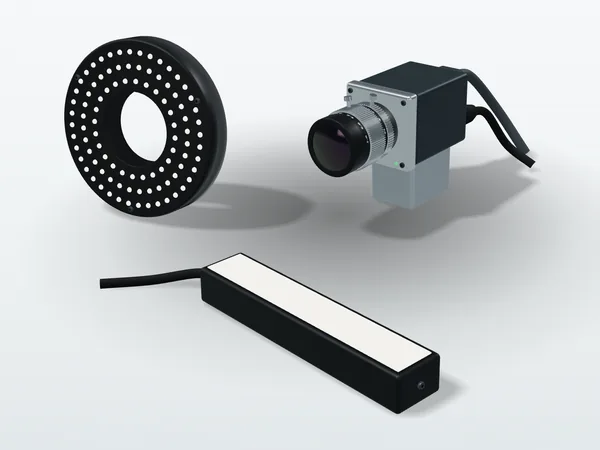
Items
| Item | Types | What to check first |
|---|---|---|
| Industrial cameras | Area scan or line scan; monochrome or color; global or rolling shutter | Resolution and pixel size, frame rate, interface (GigE Vision, USB3 Vision, CoaXPress, Camera Link) |
| Lenses | Fixed focal length, telecentric and line-scan lenses | Focal length and working distance, image circle covering the sensor diagonal, resolving power, depth of field |
| Lighting | Ring, coaxial, backlight, bar and dome lights | Part surface (reflective, transparent, textured), wavelength, strobe and trigger synchronization |
Selection methods are explained in our articles on five questions before adopting AOI and calculating focal length. If you are not sure the inspection is feasible, start with the Machine Vision Feasibility Test.
What to include in a quote request
- The part and the defects to detect (smallest size)
- Field of view and measurement accuracy
- Cycle time: parts per minute or line speed
- Working distance and mounting space
- Existing software, PLC or communication interface
- Quantity and required delivery date
Related products
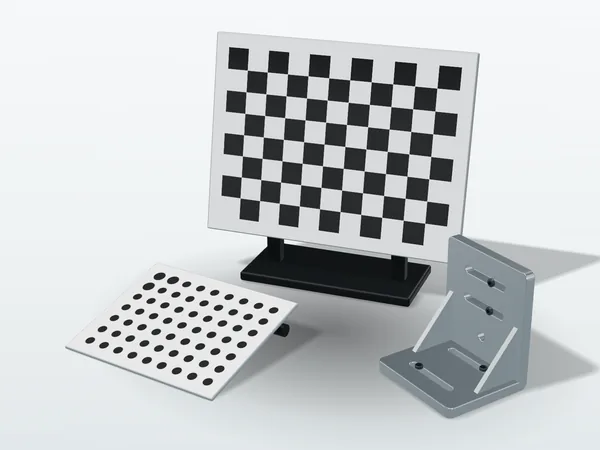
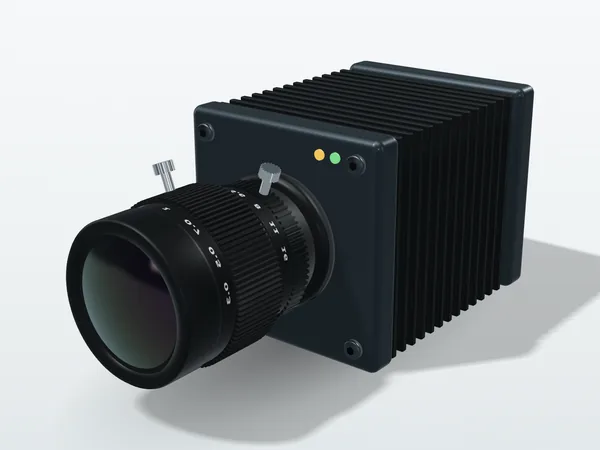
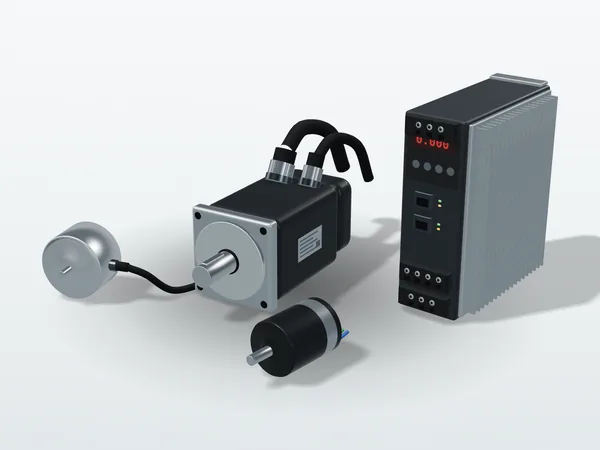
Original illustration, not a product photo. Actual appearance varies by model.
Still planning the inspection station?
Tell us the part, the defects and the cycle time; we will propose a camera, lens and lighting combination before quoting.