Optoelectronics and inspection technology explained in everyday language, for engineers and buyers who have to make decisions but do not necessarily come from this field.
Optoelectronics Basics
For readers new to the field. Starting from what optoelectronics actually is, then moving step by step into wavebands, imaging, lenses and optical coatings.
Where optics, electronics and precision mechanics meet; how many times a Taiwanese office worker uses optoelectronic technology in a day; what is distinctive about Taiwan's optoelectronics industry cluster; and the five main application areas of optoelectronics.
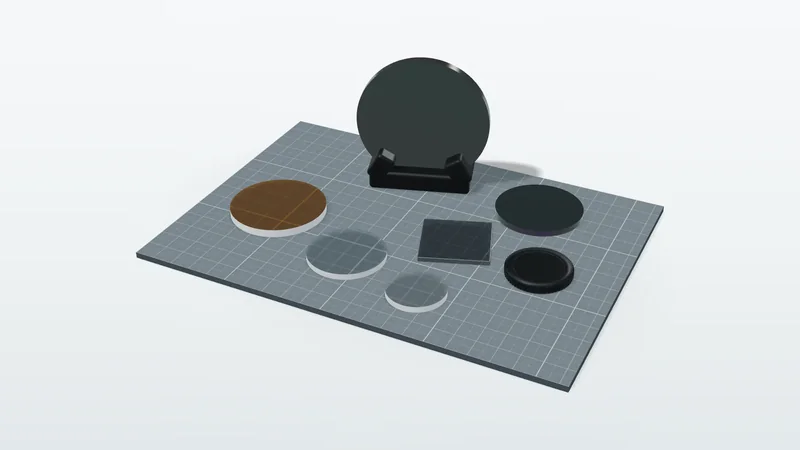
Why silicon turns semi-transparent beyond about 1.1 µm; how the absorption bands of water become a moisture map; which plastics are transparent in SWIR; and why SWIR and thermal imaging are two completely different things.
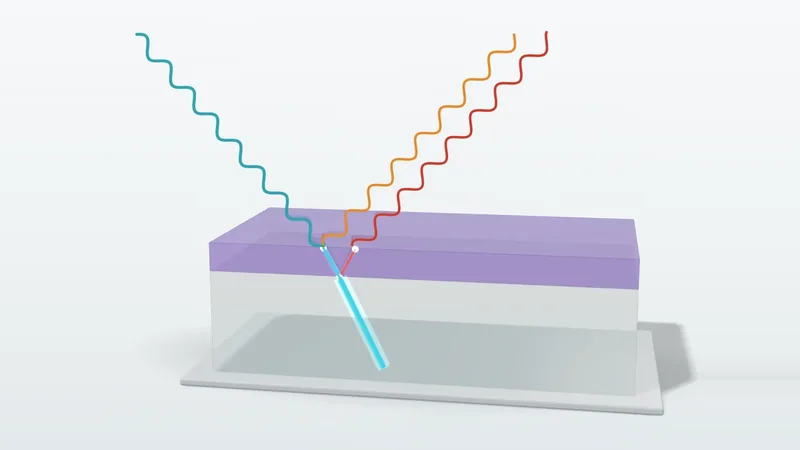
Uncoated glass keeps only 59 % transmission through twelve optical surfaces; how anti-reflection coatings solve this with quarter-wave destructive interference; why lens reflections look purple; and why coatings are a necessity, not an option, in the infrared.
The relationship between magnification, focal length and working distance; why the common approximation overestimates focal length (by 8.5 % in our example); how large a field of view the standard 16/25/35/50 mm lenses cover; and when to use a telecentric lens.
· About 9 min read
Industry Applications
How the technology lands on real production lines, aircraft wings and bridges. Most articles include worked calculations you can check yourself.
Why some things cannot be taken apart to inspect; the difference between NDT, NDE and SHM; a comparison of five common NDT techniques; the four core methods of optical NDT; and its role in aerospace, semiconductors, energy and cultural heritage conservation.
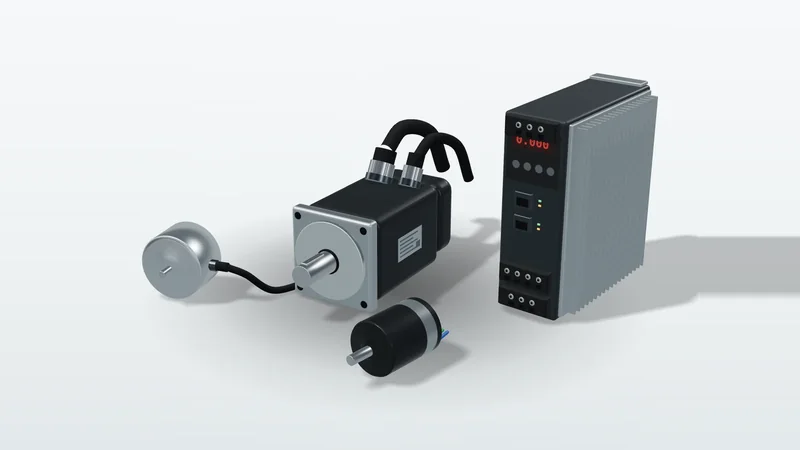
How to calculate the inertia ratio and why measurement stations should keep it within 5:1; the difference between the continuous and intermittent zones of the torque curve; a complete worked example of peak and RMS torque; and why encoder resolution does not equal positioning accuracy.
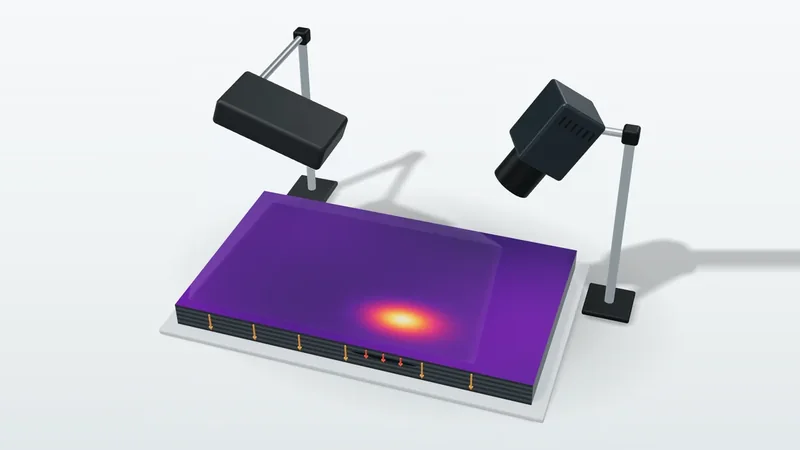
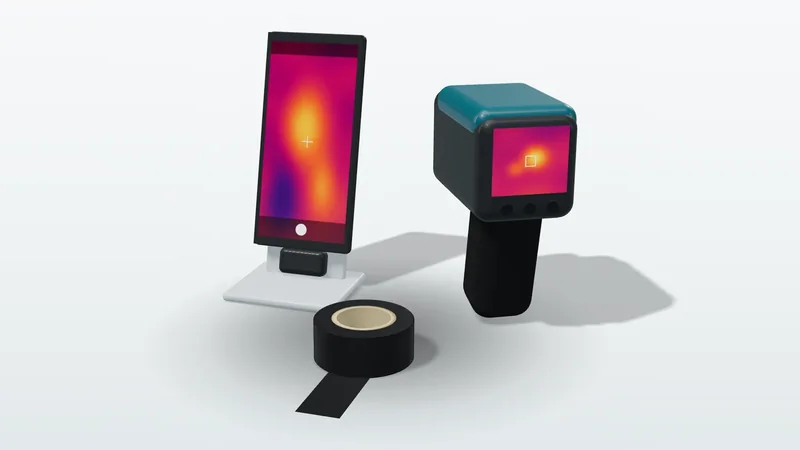
A thermal camera measures radiation, not temperature. A wrong emissivity setting can make 200 °C read as 109 °C (broadband approximation; about 99 °C when integrated over the 8–14 µm band); a 15 °C change in ambient temperature can make the reading jump by forty or fifty degrees; and why production lines often rely on relative judgment.
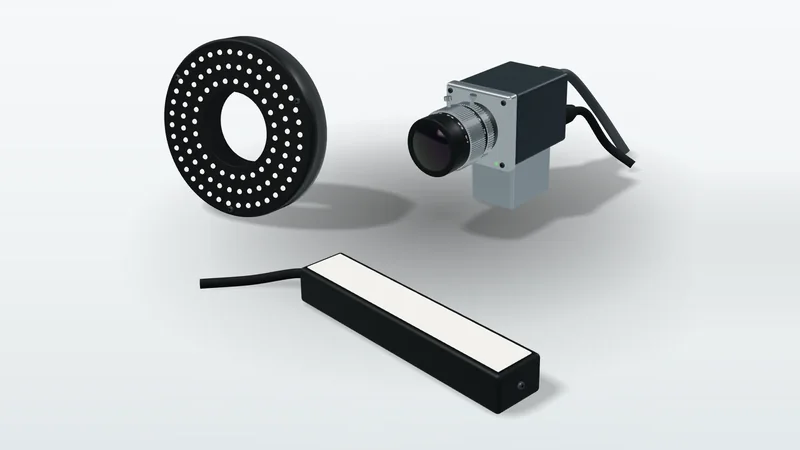
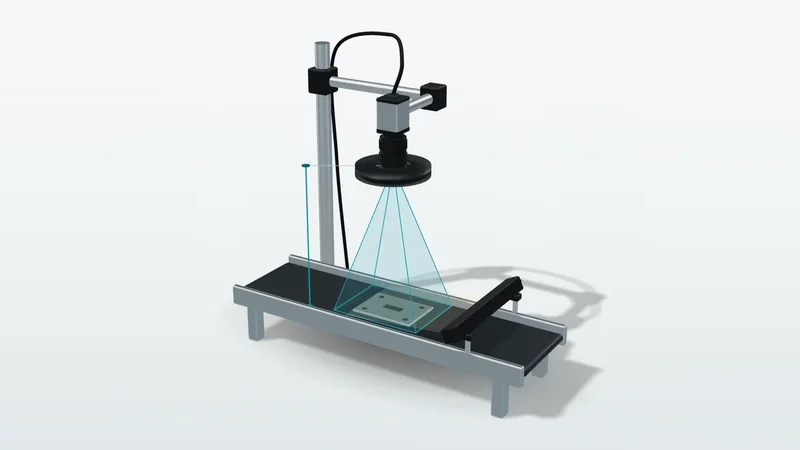
How to write a defect definition that can be accepted against; whether the defects you need to catch are achievable at your resolution; why false rejects and escapes cannot both be pushed down under the same conditions; how to confirm lighting repeatability; and the cost of manual review that never appears on the quotation.
How synchronization error becomes machining error; why EtherCAT's "processing on the fly" makes the cycle time grow only slightly as nodes are added; how distributed clocks align nodes to well below 1 µs; and how to choose between EtherCAT, CANopen and pulse command.
Why worst-case and RSS differ by a factor of 2.2 and when to use each; how thermal expansion, deflection under load and optical depth of field fit into the same budget; and why an accuracy budget table shows where the money should be spent.
· About 11 min read
UAV Payloads
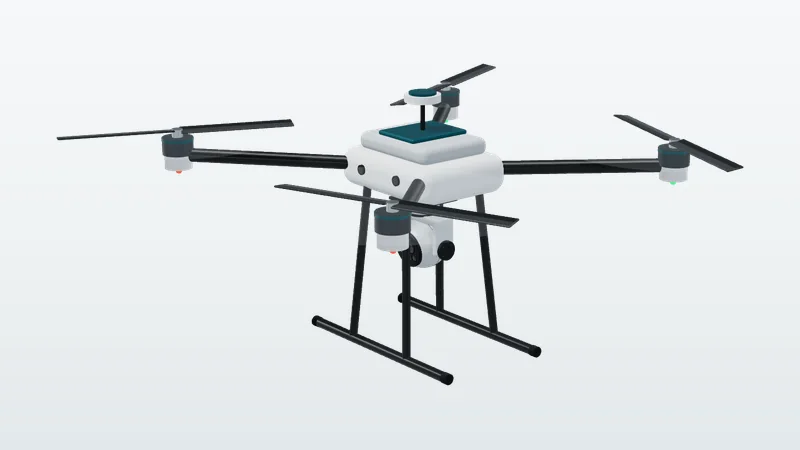
EO/IR dual-sensor payloads, stabilized gimbals and working back from GSD to specification. Every article works back from mission conditions to numbers that can be accepted against.
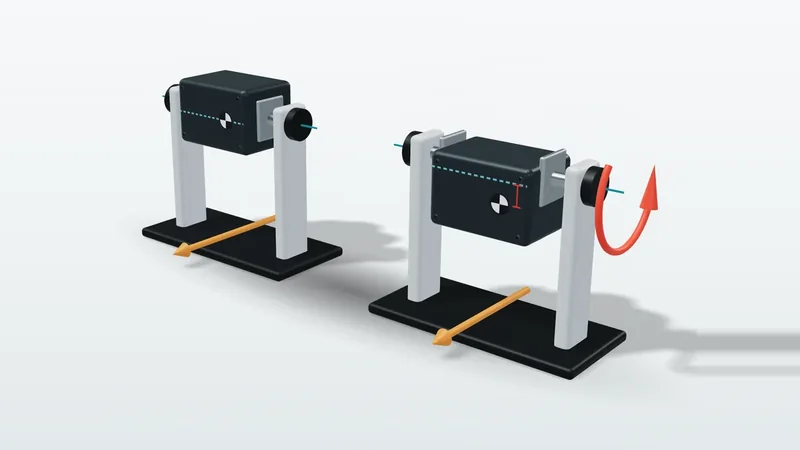
Converting "±0.01°" gives ±1.8 pixels on a 25 mm visible lens; why pointing error and jitter must be handled separately; how a 5 mm offset of the center of gravity makes the image jump by two pixels; and why an isolator natural frequency in the wrong place actually amplifies vibration.
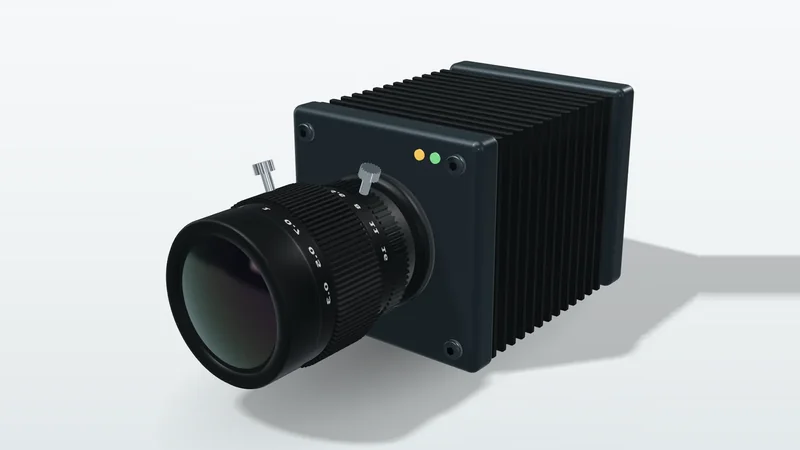
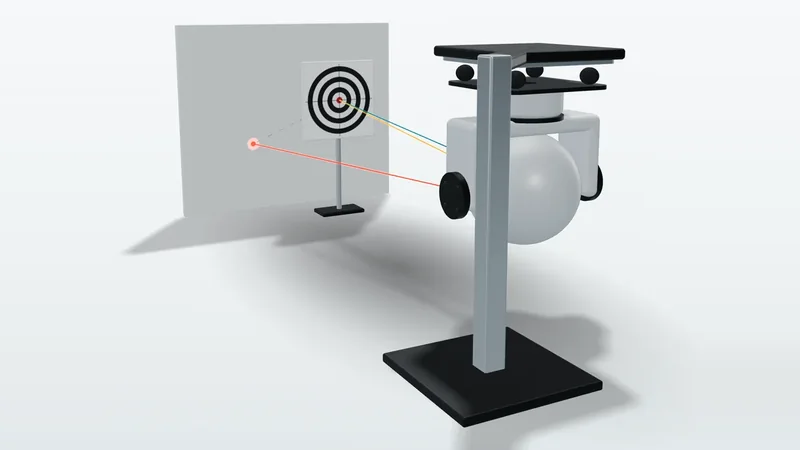
Parallax is the geometric consequence of baseline divided by distance, not a calibration failure; the defocus of a germanium lens over a 40 K temperature change is ten times the depth of focus; longwave infrared sees through smoke but not through water mist or glass; and how to choose between cooled and uncooled.
How the Johnson criteria turn an interpretation level into a pixel count; how the legal 400 ft ceiling limits the choice of focal length; why the thermal time constant of a microbolometer limits flight speed; and how large an area one mission can actually cover.
· About 11 min read
See also
SWIR/MWIR/LWIR band reference: wavelengths, detector materials, cooling requirements, typical NETD and applications, with five selection criteria and field of view formulas.
What would you like to read next?
What measurement, inspection or optical system challenges do you run into at work? Tell us, and the next article may be written for you.