
EO/IR Gimbals
EO/IR Gimbals
Two-axis gyro-stabilized EO/IR gimbals in airborne, land and marine lines. Each gimbal combines a zoom day camera and a thermal camera, most versions accept a laser rangefinder, and video compression and target tracking can run on board. Country of origin: overseas (non-PRC).
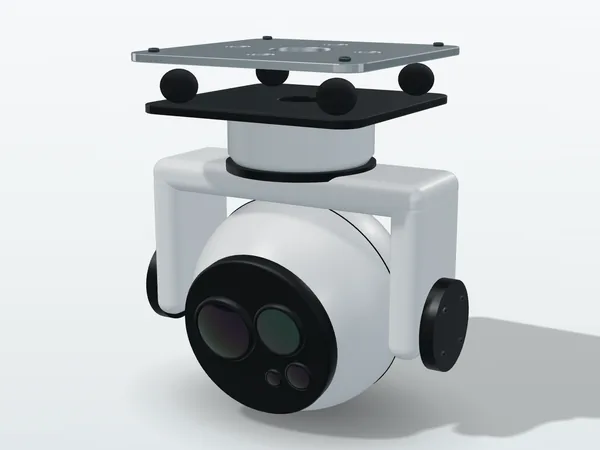
Specification range
| Item | Specification |
|---|---|
| Product lines | Airborne (UAVs), land and marine |
| Stabilization | Two-axis gyro-stabilized |
| Day camera | Full HD 1920×1080; optical zoom from 10× to 55× (depending on version) |
| Thermal camera | Uncooled LWIR (640×480 or 1280×1024), or cooled MWIR (VGA resolution) |
| Thermal optical zoom | Up to 5× on uncooled LWIR versions; 15× on cooled MWIR versions, 25× optional |
| Laser rangefinder | 1.5 µm band, 4.5 to 15 km range (depending on version) |
| Weight | Under 300 g for the lightest airborne version; from about 1.5 kg for the land line |
| On-board processing | H.265 video compression and target tracking; AI object classification optional |
| Country of origin | Overseas (non-PRC) |
The gimbal configurations we supply carry day, thermal and laser rangefinder sensors. Dimensions, fields of view, power consumption and observation ranges for each version are provided on inquiry.
How to choose
- Start with the platform: the payload weight and power limits of the UAV determine which gimbal sizes fit
- Then range and time of day: daytime range depends on the day camera zoom; at night and through smoke you rely on the thermal camera, and cooled MWIR suits longer ranges
- Add the laser rangefinder when you need target distance or coordinates
- How to work back from mission requirements to a specification is explained on our UAV EO/IR payload page and in our articles on sizing a payload from GSD and gimbal stability
Related products
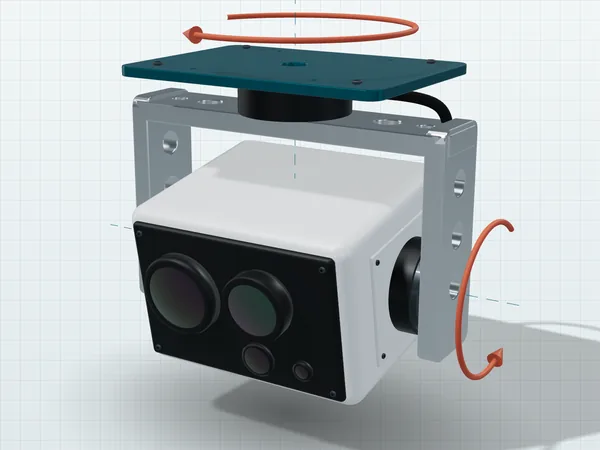
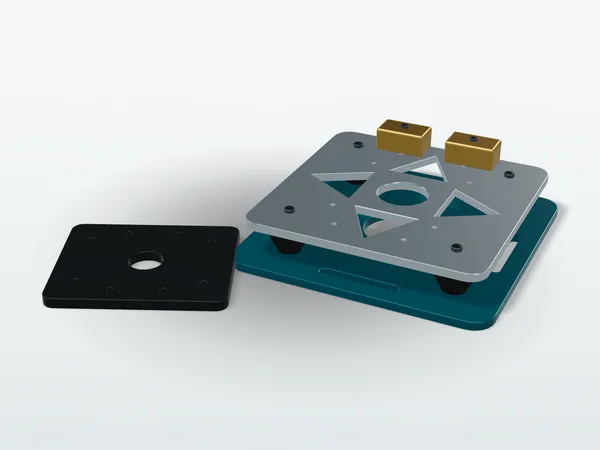
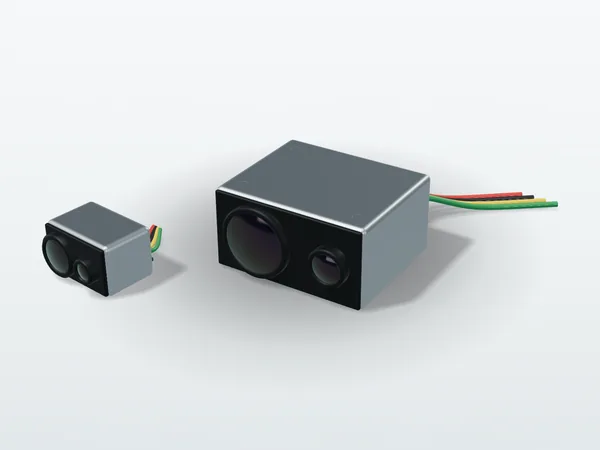
Original illustration, not a product photo. Actual appearance varies by model.
Not sure which line fits?
Tell us the platform, its payload weight and power budget, and what you need to see at what distance; we will suggest a configuration before quoting.